

Losing a permanent tooth can create more than an unwanted gap in your smile. Over time, the surrounding teeth may move toward the empty space, while changes in chewing and bite can affect your overall oral function. If you are searching for a Tooth Implant in Sinhagad Road, understanding how implant treatment works and how it can help restore a missing tooth is an important step before choosing a treatment.
Dental implants are designed to provide a stable foundation for replacement teeth. They can restore the appearance of your smile while helping you regain normal chewing function. However, successful treatment depends on proper evaluation, planning, placement, healing, and long-term care.
What Are Dental Implants and How Do They Work?
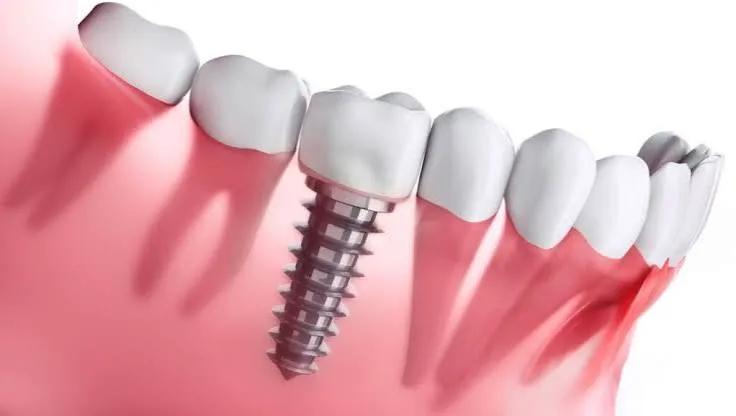
What are dental implants and how do they work? A dental implant is a small post that is placed into the jawbone to act as an artificial tooth root. After the implant integrates with the surrounding bone, it can support a dental restoration such as a crown.
Unlike a removable replacement that simply rests on the gums, an implant is positioned within the jawbone. This provides a stable foundation for the replacement tooth.
A typical implant restoration has three components:
Implant: The artificial root placed into the jawbone.
Abutment: The connector between the implant and replacement tooth.
Crown: The visible tooth-shaped restoration placed above the gumline.
Together, these components are designed to restore the position, appearance, and function of a missing tooth.
Why Can Missing Teeth Cause Other Teeth to Move?
When a tooth is lost, the neighboring teeth may gradually move toward the empty space. The opposing tooth can also change position because it no longer has the same contact it had with the natural tooth.
These changes may happen gradually and may not be noticeable in the beginning. However, movement can affect your bite and make some areas harder to clean.
Replacing the missing tooth can help occupy the empty space and restore a functional contact point. An implant-supported restoration can therefore play a role in maintaining the arrangement of the teeth, although it cannot completely prevent natural tooth movement caused by other factors.
What Is the Dental Implant Procedure Step by Step?
What is the dental implant procedure step by step? While treatment can vary depending on the patient, the process generally involves several stages.
1. Initial Evaluation
The process begins with an examination of your teeth, gums, bite, and the area where the tooth is missing. Your dentist may also use dental imaging to evaluate the jawbone and surrounding structures.
2. Treatment Planning
After evaluating your oral condition, the dentist develops an individualized treatment plan. The location of the missing tooth, bone availability, gum health, and restoration requirements are considered.
3. Implant Placement
The implant is surgically positioned into the jawbone. The area is then allowed to heal so the implant can integrate with the surrounding bone.
4. Healing and Integration
During the healing stage, the implant gradually becomes stable within the jawbone. The duration varies according to individual healing and treatment factors.
5. Abutment Placement
Once the implant has sufficiently healed, an abutment may be attached to provide the connection between the implant and final restoration.
6. Crown Placement
The final crown is fitted onto the implant restoration. It is designed to provide a functional and aesthetically appropriate replacement for the missing tooth.
Your dentist will explain each stage and provide instructions for care throughout the treatment.
What Is Dental Implant Treatment Like?
Dental implant treatment is a planned process rather than a single appointment. The overall experience depends on the number and location of missing teeth, bone condition, gum health, and individual healing.
For a single missing tooth, treatment may involve an evaluation, implant placement, a healing period, and placement of the final crown.
Some patients may require additional procedures before or during treatment. For example, if there is insufficient bone in the implant area, the dentist may need to consider procedures to improve the available foundation.
Because every patient has different oral conditions, the treatment timeline should be determined after a professional examination rather than based on a standard number of days.
Who Is a Good Candidate for Dental Implants?
Who is a good candidate for dental implants? Generally, people with missing teeth who have suitable jawbone support and healthy oral tissues may be considered for implant treatment.
However, candidacy cannot be determined based on tooth loss alone. A dentist may evaluate:
The amount and quality of available jawbone
Gum health
Oral hygiene
The condition of neighboring teeth
Bite and jaw function
The location of the missing tooth
Overall dental health
Existing gum problems or other dental conditions may need to be addressed before implant placement.
A detailed evaluation helps the dentist determine whether an implant is appropriate and whether any additional preparation is required.
What Is Dental Implant Surgery?
Dental implant surgery involves placing the implant into the jawbone at the planned location. The procedure is performed using appropriate dental techniques and anesthesia to ensure patient comfort.
The dentist first prepares the treatment area and creates the required space for the implant. The implant is then positioned carefully within the bone.
After placement, the area needs time to heal. During this period, the implant gradually integrates with the surrounding bone, creating the foundation needed for the final restoration.
Following the dentist's post-treatment instructions is important during this stage. Patients may be advised about oral hygiene, diet, activity, and follow-up appointments according to their individual situation.
How Long Does a Dental Implant Take to Heal?
How long does a dental implant take to heal? There is no single healing period that applies to every patient.
The time required can depend on factors such as bone quality, implant location, overall oral health, the type of treatment performed, and individual healing response.
During the healing period, the implant undergoes a process called osseointegration, in which the implant becomes integrated with the surrounding jawbone.
Your dentist will monitor the healing process and determine when the implant is ready for the next stage of treatment. This is why rushing the restoration process is generally not recommended.
What Is an Implant-Supported Crown?
An Implant-supported crown is a tooth-shaped restoration attached to a dental implant. It is commonly used when a single tooth needs to be replaced.
The crown is designed according to the surrounding teeth so that the restoration fits comfortably within the patient's bite and smile.
Because the crown is supported by an implant rather than simply resting on the gums, it can provide a stable replacement for the missing tooth.
A properly planned crown can also restore the visible appearance of the tooth, making it an important part of both the functional and cosmetic aspects of implant treatment.
Why Is a Dental Implant Consultation Important?
A Dental implant consultation allows your dentist to understand your concerns and assess whether implant treatment is suitable for you.
During the consultation, you can discuss:
The reason for replacing the missing tooth
Your oral health
Available treatment choices
The expected treatment stages
Healing requirements
Restoration options
Long-term maintenance
Your dentist can also explain whether additional procedures may be needed before implant placement.
A consultation is particularly useful because treatment should be customized according to your individual dental anatomy rather than following the same approach for every patient.
Choosing a Dental Implant Specialist
If you are considering implant treatment, choosing a dental professional with appropriate experience in implant planning and restoration can help you understand the process more clearly.
A Dental Implant Specialist in Sinhagad Road can evaluate your missing-tooth area, discuss suitable treatment options, and guide you through the different stages involved.
The right treatment approach depends on your individual oral health rather than simply choosing an implant because it is a popular option.
Caring for Your Implant After Treatment
Good oral hygiene is important for maintaining the health of your implant and surrounding tissues.
Brush your teeth regularly and clean carefully around the restoration. Cleaning between your teeth can help remove plaque and food particles from areas that may be difficult to reach with a toothbrush.
Regular dental check-ups are also important. Your dentist can monitor the implant, crown, gums, bite, and surrounding teeth.
If you notice persistent discomfort, swelling, bleeding, unusual movement, or difficulty chewing, seek professional dental advice.
Why Choose SmyleXL Premium Dental Clinic?
Choosing a dental clinic for implant treatment is an important decision. Patients should look for a clinic that focuses on proper diagnosis, personalized planning, patient communication, and follow-up care.
At SmyleXL Premium Dental Clinic, the treatment approach is centered around understanding each patient's individual dental needs. The team evaluates the patient's oral condition and discusses appropriate solutions before proceeding with treatment.
Patients can receive guidance about the treatment process, expected stages, restoration choices, and ongoing care.
Restore Your Smile With SmyleXL
Replacing a missing tooth can help restore chewing function, improve the appearance of your smile, and occupy the space left by tooth loss. Proper planning is essential to achieving a comfortable and functional result.
Trusted Dental Clinic in Sinhagad, SmyleXL is committed to providing personalized dental care and helping patients understand their treatment choices.
If you are considering dental implants, book a consultation with SmyleXL to discuss your dental concerns and learn whether implant treatment may be suitable for your smile and oral health. Source : theomnibuzz.com